

This post may contain affiliate links which means I may receive a commission for purchases made through links. Learn more on my Private Policy page.
Title: Cultivating the Future: Trends and Innovations in agricultural Irrigation Systems
As we stand on the brink of a new era in agriculture, water management is taking centre stage in the quest for sustainable farming practices. With climate change presenting unprecedented challenges and a growing global population to nourish, the race is on to find smarter, more efficient ways to irrigate our fields.Gone are the days of relying solely on traditional methods; today’s farmers are embracing cutting-edge technologies that promise to revolutionize the way we think about irrigation.From precision water delivery systems to smart sensors that monitor soil moisture levels, the innovations shaping modern irrigation are nothing short of remarkable. Join us as we explore the latest trends in agricultural irrigation systems and discover how these advancements are helping farmers cultivate not just crops,but a greener,more sustainable future for us all!
Emerging Technologies Transforming water Management
As the pressures of climate change and population growth continue to mount, innovative technologies are stepping in to revolutionize the way we manage water resources in agriculture. Smart irrigation systems that utilize sensors and real-time data allow farmers to optimize water usage based on current weather conditions and soil moisture levels. By integrating IoT devices, these systems can automate irrigation processes, significantly reducing water waste while ensuring that crops receive just the right amount of hydration. Additionally, the use of drones has taken crop monitoring to new heights, enabling precise assessments of water needs across sprawling fields without the need for manual checks.
Another exciting development is the advent of machine learning and AI in predicting irrigation needs. These advanced algorithms analyze historical data, weather patterns, and crop conditions to forecast water requirements more accurately than ever before.Furthermore, hydroponic and aquaponic systems are gaining traction, utilizing nutrient-rich water solutions that minimize land use and water consumption. To illustrate these advancements, consider the table below showcasing various emerging technologies in agricultural irrigation:
| Technology | Description | Benefits |
|---|---|---|
| Smart Irrigation | Automated systems adjusting water delivery | Reduces water waste, enhances efficiency |
| Drones | Aerial monitoring for precise irrigation | Quicker assessments, reduces labor |
| AI & Machine Learning | Predictive analytics for irrigation needs | Data-driven decisions, improved crop yield |
| Hydroponics | Soil-less growing systems | Efficient water usage, fast growth cycles |
Sustainable Practices for Efficient Irrigation
Adopting sustainable practices in irrigation can significantly enhance water efficiency and promote soil health. By integrating modern technology with eco-friendly methods,farmers can optimize water use while reducing their environmental footprint. Drip irrigation, for example, delivers water directly to the plant roots, minimizing evaporation and runoff. Additionally, the use of rainwater harvesting systems can capture stormwater for irrigation, thus conserving precious freshwater resources. by employing these techniques, farmers can ensure that every drop counts, leading to healthier crops and more resilient agricultural systems.
Moreover, innovative tools such as soil moisture sensors and smart irrigation controllers can help farmers make informed decisions about their watering schedules. These devices monitor soil conditions in real time, allowing for precise irrigation that adapts to changing weather patterns. Here’s a fast comparison of some effective irrigation technologies that embody sustainability:
| Technology | Benefits |
|---|---|
| Drip Irrigation | Reduces water usage by up to 50%, minimizes weed growth |
| Rainwater Harvesting | Conserves freshwater, reduces stormwater runoff |
| Soil Moisture Sensors | Optimizes irrigation based on soil needs, prevents overwatering |
| Smart Controllers | Adjusts watering schedules based on weather forecasts, saves energy |
Smart Solutions: Enhancing Precision and Productivity
In the rapidly evolving landscape of agricultural irrigation, technology has become a game changer. The integration of smart solutions not only enhances the efficiency of water usage but also significantly elevates productivity levels for farmers. Key innovations include:
- Smart Sensors: Placed in fields to monitor soil moisture and crop health,these sensors provide real-time data,enabling precise irrigation schedules.
- Automated Systems: These systems adjust water flow based on environmental conditions, ensuring that crops receive the optimal amount of water without wastage.
- Drones: Equipped with advanced imaging technology, drones assess crop conditions, allowing for targeted irrigation that boosts yields.
The remarkable impact of these technologies underscores the shift towards sustainability in farming practices. As a notable example, using precise watering techniques not only conserves water but also minimizes soil erosion and nutrient runoff. A practical example can be illustrated in the following table:
| Technique | Benefits |
|---|---|
| Drip irrigation | Reduces water waste and enhances crop growth. |
| Soil Moisture Sensors | eliminates overwatering and promotes healthy root development. |
| Rainwater Harvesting | Utilizes natural resources, cutting down costs and improving sustainability. |
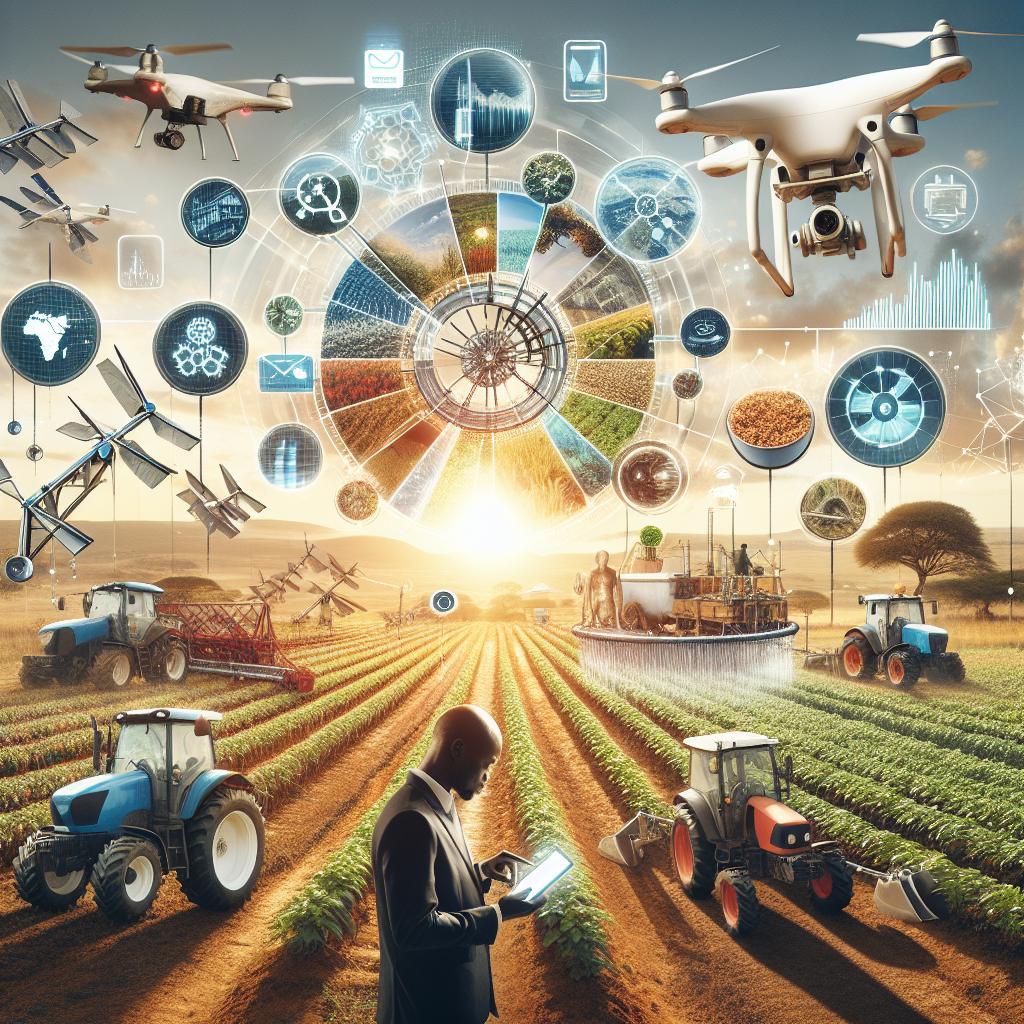
Future-Proofing Agriculture: Strategies for Innovative Irrigation Systems
As climate challenges intensify and water scarcity becomes a pressing global issue, innovative irrigation systems are emerging as a vital solution for resilient agriculture. Farmers are leveraging technology to optimize water usage and enhance crop productivity through methods like drip irrigation and smart irrigation controllers. These systems allow for precise water delivery to the roots of plants, minimizing waste and maximizing efficiency. By integrating sensors that monitor soil moisture levels, farmers can apply water only when necessary, ensuring that crops receive the right amount of hydration at the right time. This not only conserves water but also promotes healthier plant growth and higher yields.
Moreover, the incorporation of renewable energy sources in irrigation technologies is revolutionizing the agricultural landscape. Solar-powered pumps and wind-powered systems are gaining traction,offering sustainable and cost-effective alternatives to traditional methods. Farmers can harness these clean energy sources to power their irrigation systems, reducing dependency on fossil fuels and lowering operational costs. Additionally, the use of data-driven analytics enables farmers to design irrigation schedules that align with weather predictions and crop water requirements, further enhancing the resilience of agricultural practices.By embracing these innovative strategies, the agricultural sector can not only thrive amid changing environmental conditions but also pave the way for a more sustainable future.
In Summary
In the ever-evolving world of agriculture, the heartbeat of innovation and sustainability can often be found in the intricate web of irrigation systems. As we’ve explored the latest trends and groundbreaking technologies reshaping our approach to watering the crops that nourish our world, it’s clear that these advancements are not just about efficiency; they signify a deeper connection to our planet and a commitment to future generations.
From precision irrigation that tailors water delivery to the specific needs of each plant, to the fusion of IoT and AI creating smarter farming ecosystems, the evolution of irrigation systems is nothing short of inspiring. These innovations are paving the way for a more resilient agricultural landscape, one that can adapt to the challenges of climate change and population growth.
As we wrap up our journey through the modern irrigation renaissance,let’s remember that each sprinkler,sensor,and satellite link contributes to a greater narrative—one where we cultivate not just crops,but a sustainable future.
So,weather you’re a seasoned farmer,a diligent policy maker,or simply an interested observer,let’s embrace these innovations with open arms and minds. Together, we can water the seeds of progress and watch them bloom into a flourishing, sustainable tomorrow. Happy planting! 🌱✨
This post may contain affiliate links which means I may receive a commission for purchases made through links. Learn more on my Private Policy page.