


This post may contain affiliate links which means I may receive a commission for purchases made through links. Learn more on my Private Policy page.
Nurturing Nature: The Best Ways to Water Seedlings and Young Plants with Your Irrigation System
Ah, the joys of watching a garden sprout to life! There’s nothing quite like the thrill of seeing those tiny green shoots push their way through the soil, promising a bounty of blooms and fresh produce. But every blossoming garden begins with a crucial element: water—just the right amount, at the right time, and in the right way. For those of us using irrigation systems, the good news is that nurturing our seedlings and young plants can be both efficient and enjoyable! In this article, we’ll explore the best methods to optimize your watering routine, ensuring your precious little greenery receives the care it deserves without drowning in the love. Join us as we dig deep into practical tips, innovative techniques, and friendly advice to help your garden flourish, making your gardening experience not just productive but truly delightful!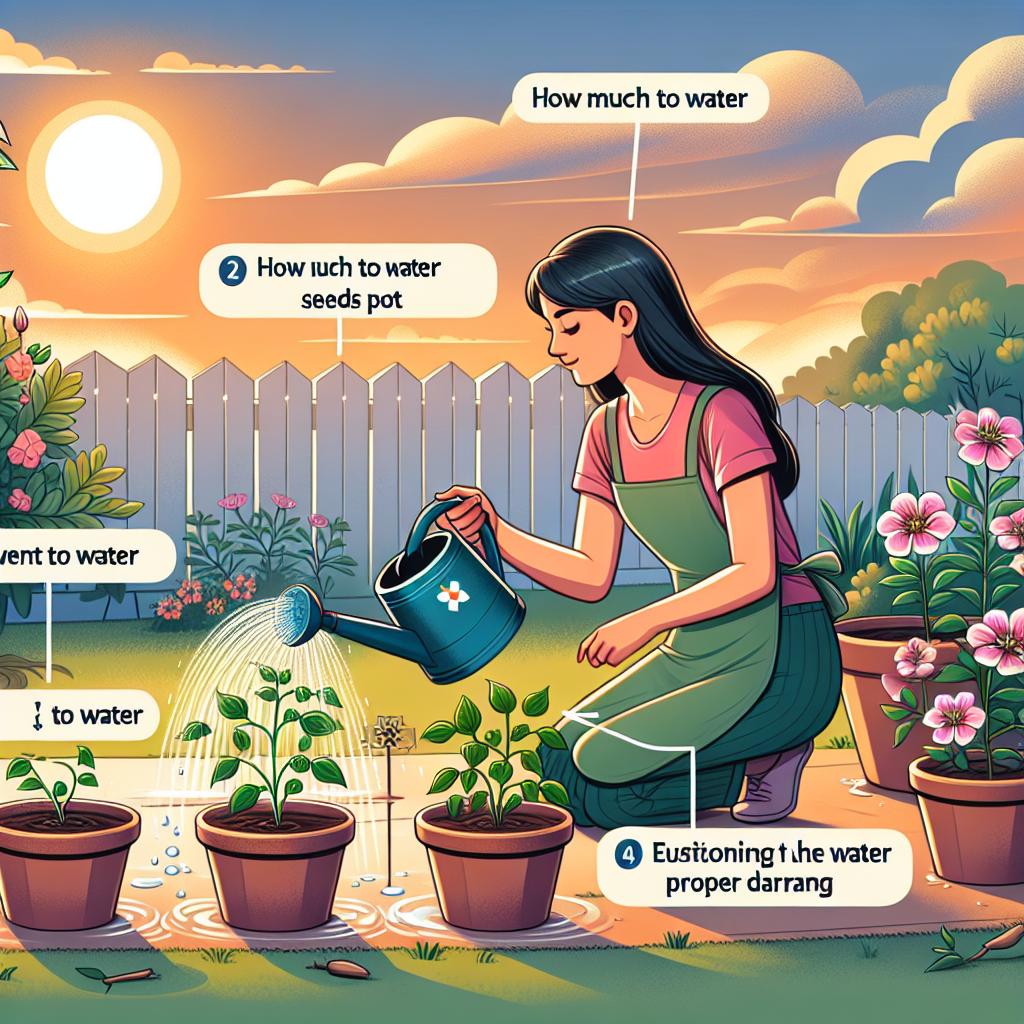
Essential Techniques for Efficient Watering of Seedlings
Watering seedlings effectively requires a thoughtful approach to ensure they receive the right amount of moisture without over-saturating the soil. Here are some essential techniques to optimize your watering routine:
- Use a Drip Irrigation System: This method delivers water directly to the base of each plant, minimizing evaporation and preventing water from pooling.
- Soil Moisture Sensors: Installing these sensors allows you to monitor the moisture levels in the soil, ensuring you only irrigate when necessary.
- Mulching: A layer of organic mulch can help retain moisture in the soil, reducing the frequency of watering needed.
When it comes to the frequency of watering, it’s important to consider environmental factors such as temperature and humidity. Keeping in mind the water requirements of different seedlings, you may want to establish a tailored watering schedule:
| Seedling Type | Watering Frequency |
|---|---|
| Tomatoes | Every 2-3 days |
| Peppers | 2 times a week |
| Herbs | As needed, about once a week |
Choosing the Right Irrigation Method for Delicate Plants
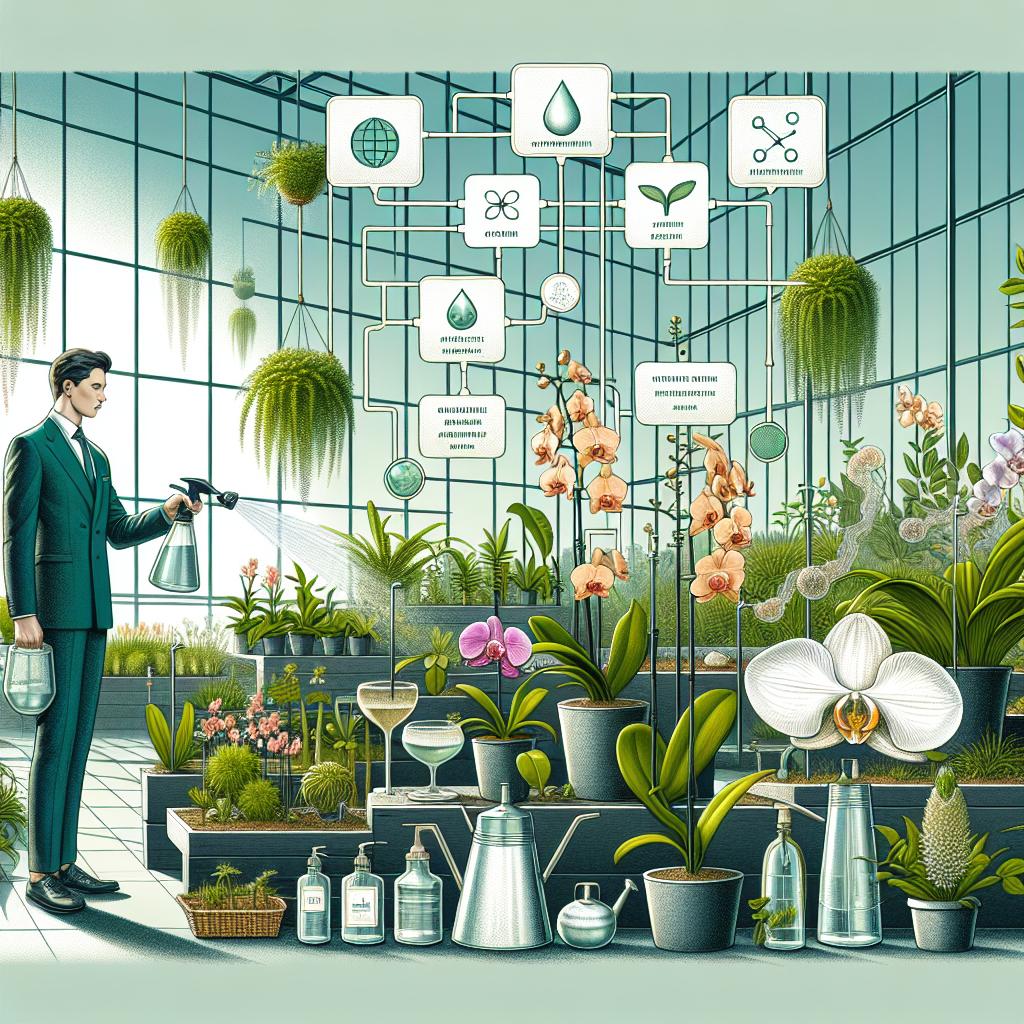
Watering delicate plants requires a gentle touch and a method that accommodates their unique needs. Drip irrigation stands out as an ideal choice, delivering water directly to the root zone while minimizing soil erosion and evaporation. Additionally, it allows for precise control over moisture levels, which is crucial for the development of young plants. Consider integrating a timer with your drip system to ensure consistent watering schedules without the risk of over-saturation.
Another method worth exploring is soaker hoses, which provide a slow and steady supply of moisture to the soil. This technique is particularly effective in garden beds or rows of seedlings, as it promotes even distribution and reduces the likelihood of fungal diseases caused by excess moisture on foliage. For container plants, you may look into using self-watering pots, which help maintain a stable moisture level. Regardless of the method you choose, always keep an eye on soil moisture levels to adjust irrigation as needed, ensuring your delicate plants thrive.
Optimizing Soil Moisture: Tips for Young Growth
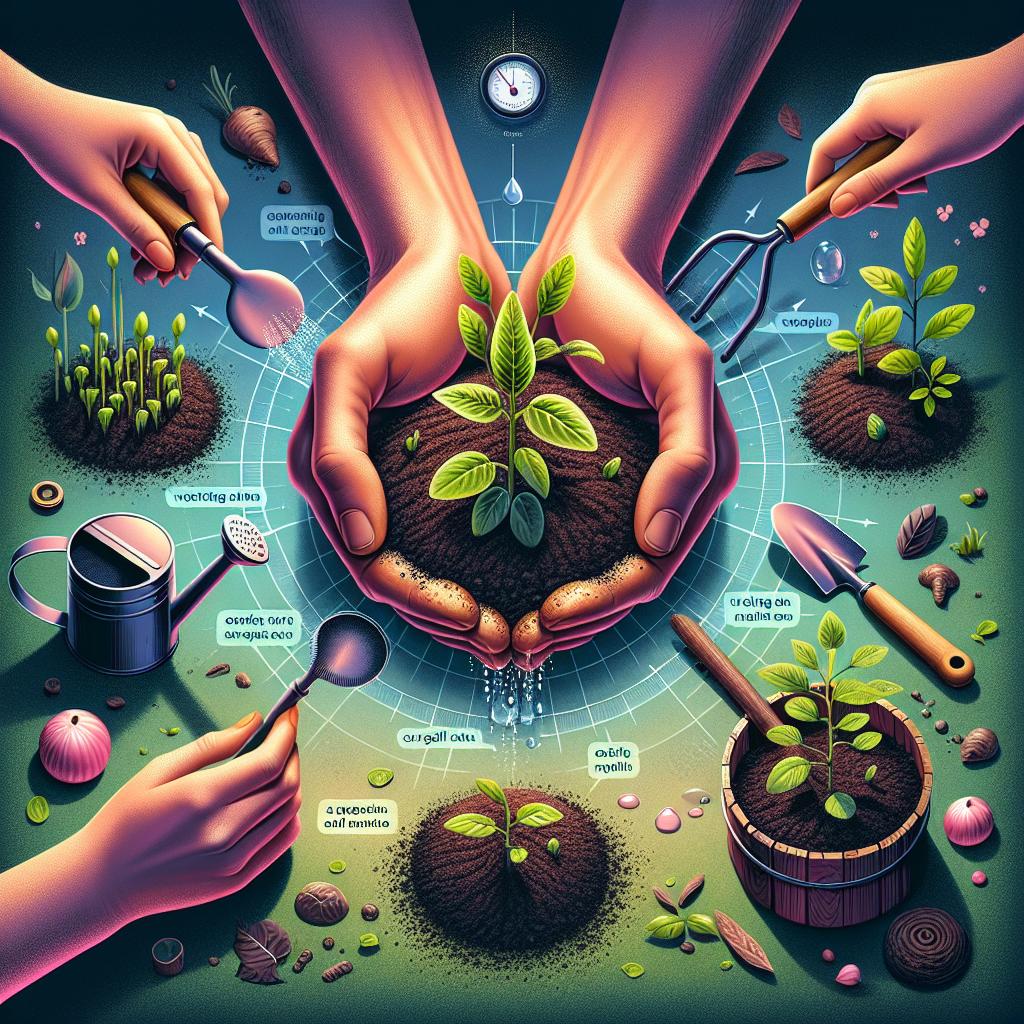
Maintaining optimal soil moisture is crucial for the success of seedlings and young plants. A well-balanced irrigation approach ensures that these delicate stages of growth are supported without falling victim to overwatering or drought stress. Consider implementing drip irrigation, which delivers water directly to the root zone, reducing evaporation and promoting deeper root development. This method allows for a slow and consistent moisture supply, crucial for young plants that are still establishing their roots. Additionally, mulching can help retain soil moisture, moderating temperature swings while enriching the soil as it breaks down.
The timing and frequency of watering are equally important in nurturing young plants. Water early in the morning or late in the afternoon to minimize evaporation losses, and adjust your schedule according to environmental conditions. Monitor soil moisture levels using a moisture meter or by feeling the soil 2 inches below the surface. This ensures your watering routine responds to the actual needs of your plants rather than a fixed schedule. Here’s a simple breakdown of watering strategies you might want to consider:
| Watering Strategy | Description |
|---|---|
| Drip Irrigation | Delivers water directly to roots, minimizing evaporation. |
| Soaker Hoses | Generates gentle moisture over a prolonged period. |
| Sprinkler Systems | Ideal for larger areas; set to avoid overlap. |
| Hand Watering | Great for small gardens; allows close monitoring. |
Preventing Overwatering: Signs and Solutions for New Gardens
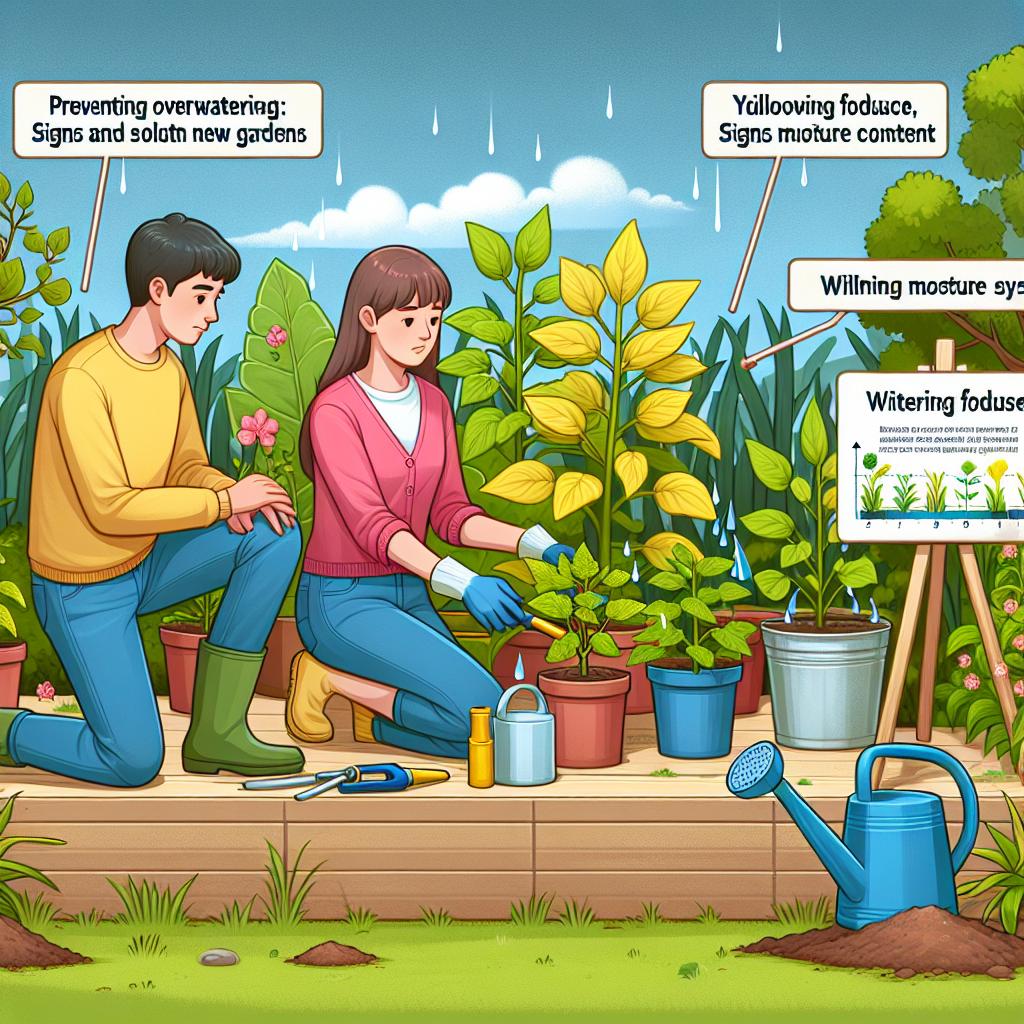
Overwatering is a common pitfall for gardeners, particularly those nurturing seedlings and young plants. When the soil remains constantly moist, it can lead to root rot and fungal diseases, jeopardizing the health of your budding greens. Signs of overwatering include yellowing leaves, wilting despite wet soil, and a potent smell of dampness surrounding your plants. If you spot these indicators, take action promptly to restore the balance. Consider implementing a drainage system, like raised beds or containers with holes, to encourage excess water to escape. You can also monitor moisture levels with a soil moisture meter, ensuring you’re watering only when necessary.
To effectively combat overwatering, it’s essential to develop a mindful watering routine. Focus on simple solutions such as:
- Watering in the early morning to minimize evaporation.
- Utilizing drip irrigation systems that target root zones.
- Employing mulch to retain soil moisture while preventing excess saturation.
By understanding your plants’ unique needs and adjusting your watering techniques accordingly, you can foster a thriving garden environment. Additionally, utilize this table as a quick reference for the optimal watering guidelines based on plant type:
| Plant Type | Watering Frequency | Soil Type |
|---|---|---|
| Seedlings | Every 2-3 days | Moist, well-draining |
| Young Plants | Weekly | Loamy, well-draining |
| Herbs | Every 5-7 days | Drying, sandy |
Concluding Remarks
As we wrap up our journey through the world of watering seedlings and young plants, we hope you’ve discovered the magic of nurturing those delicate green wonders with your irrigation system. Remember, it’s not just about getting water to the roots; it’s about fostering a thriving garden that flourishes under your care. With the techniques and strategies we’ve shared, you can create a nurturing environment that helps your young plants reach for the sky.
So, whether you’ve chosen drip irrigation for precision or sprinklers for that gentle rain-like embrace, the key is to stay attentive to your plants’ needs. Just like us, they thrive on routine but also benefit from a little love and attention now and then. As the seasons change and your garden grows, take pride in the knowledge that you’re providing the best start for your seedlings.
Now, go forth and let your irrigation system do the heavy lifting while you enjoy the process of watching your garden flourish. Happy gardening, and may your plants bloom vibrantly for seasons to come! 🌱✨
This post may contain affiliate links which means I may receive a commission for purchases made through links. Learn more on my Private Policy page.